







Search Results for: Chinese Market
Tims Coffee officially adopts the Chinese name "Tims Tianhao Coffee", accelerating its deep cultivation of the Chinese market
Canada's national coffee brand Tim Hortons' operating entity in China, Tims Coffee, recently renamed its WeChat official account to "Tims Tianhao Coffee" — the first time the brand has adopted a Chinese name since entering the Chinese market. According to a report by CNR, Tims stated that introducing a Chinese name is aimed at better advancing its localization strategy, deepening its expansion in the Chinese market, and preparing for subsequent entry into lower-tier markets, with an official announcement expected by the end of this month or early next month. From the opening of its first store in Shanghai in 2019, to its Nasdaq listing in 2022, and now to the adoption of a Chinese name, Tims China has been accelerating its expansion every step of the way, with its store target adjusted from an initial 1,500 in ten years to 2,750 by 2026. This article will review Tims China's brand development history, financing and listing milestones, product and pricing positioning, latest financial report data, and store expansion plans, analyzing its determination and strategy for deeply cultivating the Chinese coffee market. [more…]
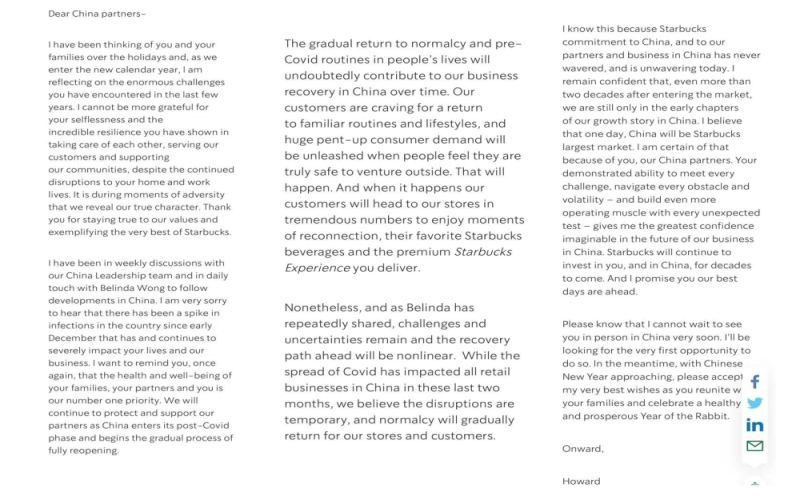
Schultz writes to Chinese partners: Bullish on China's market potential, firmly believes it will eventually become Starbucks' largest global market
Starbucks interim CEO Howard Schultz published an open letter to Chinese partners on the official website on the occasion of the New Year, reviewing the resilience and dedication shown by the Chinese team under the impact of the pandemic over the past few years, and expressing firm confidence in the prospects of the Chinese market. In the letter, he revealed that he communicates with the Chinese leadership team every week and keeps in touch with Belinda Wong every day, and pointed out that as China enters the post-pandemic stage, the release of consumer demand will drive business recovery. Although the road ahead is not linear, he believes China will eventually become Starbucks' largest market. The following is the full text of the speech and its translation. [more…]
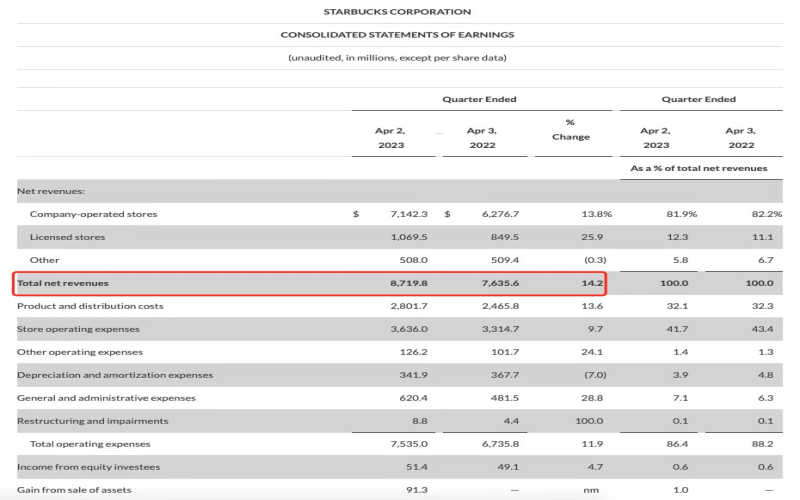
Starbucks reports dual growth in revenue and profit for Q2 of fiscal year 2023, with same-store sales in the Chinese market reaching a turning point.
Starbucks recently released its second-quarter results for fiscal year 2023, with both global consolidated revenue and net profit achieving year-over-year growth, while same-store sales in the Chinese market turned positive for the first time since the third quarter of fiscal year 2021. Against the backdrop of accelerating store expansion, optimistic remarks from the founder, and the rapid growth of competitor Luckin Coffee, whether Starbucks can ride this momentum to steadily advance its 2025 China market strategic vision is worth watching. [more…]

An influencer coffee shop was penalized for using imported coffee beans of no lawful origin, drawing attention to food compliance issues in the coffee industry.
Recently, the Market Supervision Bureau of Yuecheng District, Shaoxing City, investigated and penalized a popular coffee shop. The shop was found using imported coffee beans without Chinese labels and could not provide proof of legal origin. It was also involved in selling coffee equipment without Chinese labels. Ultimately, it was fined 25,000 yuan and the related products were confiscated. This case reveals a common compliance risk in the procurement and use of coffee beans by specialty coffee shops: whether self-roasting or external procurement, coffee bean raw materials require corresponding food business or production licenses and product qualification inspection reports. As market supervision intensifies, coffee operators urgently need to self-check risks to ensure legal and compliant operations. [more…]

Ethiopian regulators halt cooperation with Chinese coffee merchants over unpaid goods, affecting foreign exchange earnings
As Africa's largest coffee producer, Ethiopia is known for the floral and fruity aromas of its coffee beans, and in recent years it has become increasingly popular in the Chinese market. However, a recent report from local media has drawn attention: the Ethiopian Coffee and Tea Authority has decided to ban a Chinese coffee company from signing contracts with Ethiopian parties because it failed to pay its local exporter. This incident not only reflects payment disputes in China-Ethiopia coffee trade but also highlights the importance of coffee exports to the country's foreign exchange earnings. This article will review the course of events, the companies involved, and local regulatory measures, and revisit the popularity of Ethiopian coffee in the Chinese market. [more…]
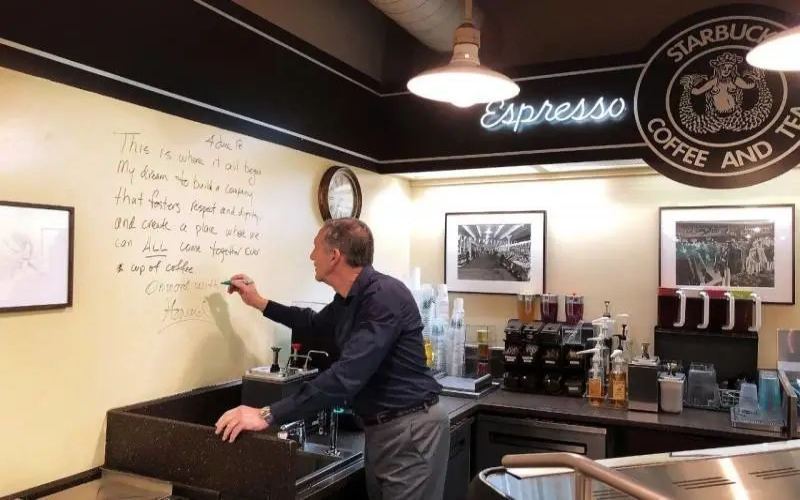
Schultz Takes the Reins at Starbucks Again: Transformation Plan, New Equipment, and Challenges in the Chinese Market
Starbucks founder Howard Schultz has returned as CEO following Kevin Johnson's retirement, facing multiple challenges including the U.S. unionization movement, food safety controversies in the Chinese market, and damage to the brand's image. At the 2022 annual shareholders meeting, Starbucks announced plans for equipment upgrades, beverage innovation, employee pay raises, and store expansion. This article will examine Schultz's transformation strategy after his return, analyze whether he can lead Starbucks out of its difficulties in just half a year, and explore the competitive pressures in the Chinese market. [more…]
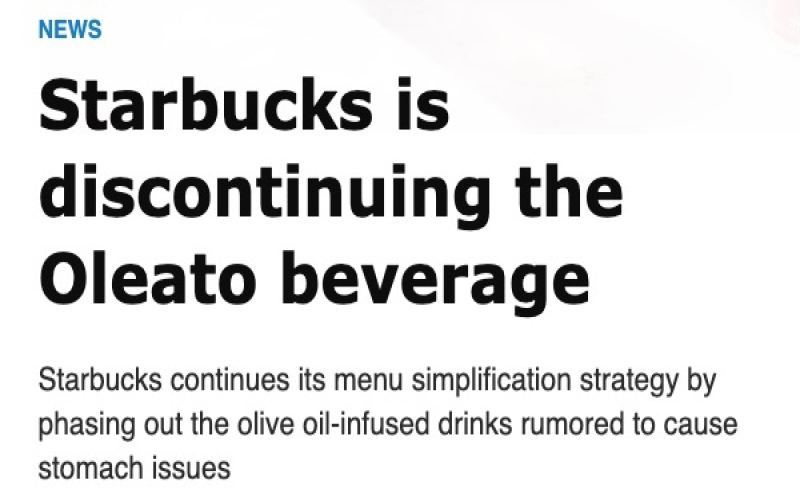
Starbucks will permanently discontinue its Oleato olive oil coffee line in North America, with the Chinese market temporarily unaffected
Starbucks has announced that it will permanently remove the Oleato olive oil coffee line from its core North American menu starting November 7, less than a year after the product first debuted. The decision is seen as one of the moves by new CEO Brian Niccol to simplify the menu and return to the company's coffeehouse roots. Oleato was conceived by Starbucks founder Howard Schultz, inspired by Sicilian culinary traditions. It first launched in Milan, Italy, in 2023 and was gradually rolled out to multiple global markets, entering mainland China in March 2024. However, the line drew widespread criticism for causing gastrointestinal discomfort after consumption. Starbucks China responded that this adjustment only involves the North American market and has no impact on the Chinese market for now. [more…]
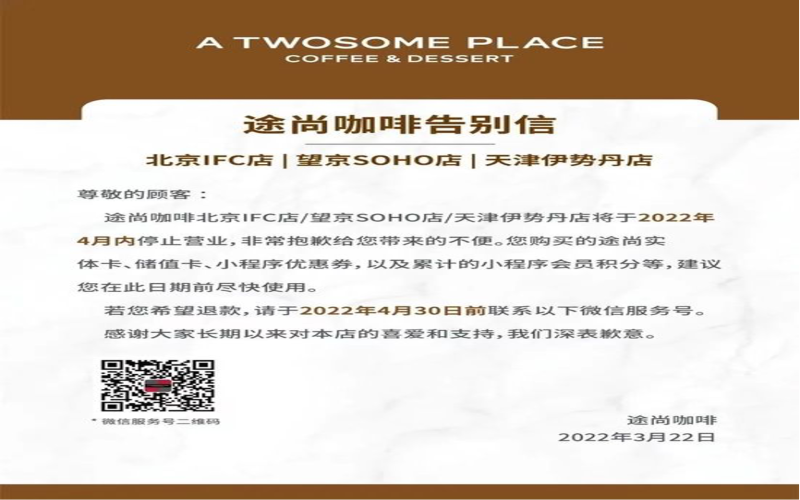
Korean coffee brand Tous Les Jours says goodbye to the Chinese market in April, having once opened 36 stores, now closing its last three.
Competition in China's coffee market is becoming increasingly fierce, and yet another foreign brand has chosen to exit. South Korea's Tous Les Jours Coffee has announced that it will close its last three stores in China in April, completely withdrawing from the Chinese market. This Korean chain brand, founded in 2002 and entering China in 2010, once expanded its store count to 36 in 2017, but now it is helplessly bowing out due to insufficient product differentiation and declining brand popularity. Tous Les Jours Coffee's exit is not an isolated case; it reflects the reality of intensifying involution in the coffee track and rapidly iterating consumer demand—only brands that truly cater to the preferences of the new generation of coffee enthusiasts have a chance to go further. [more…]

Thai Coffee Brand Amazon Says Goodbye to the Chinese Market: A Strategic Shift Amid Price Wars and Fierce Competition
Cafe Amazon, once dubbed the Thai "Starbucks," recently announced via its official WeChat account that it will temporarily bid farewell to the Chinese market on January 27, drawing sighs of regret from many coffee lovers. Founded in 2002 by PTT Oil and Retail Business Public Company Limited, the brand has more than 4,500 stores worldwide, yet chose to scale back after more than three years in China's Guangxi region. Behind this are the increasingly fierce price war, cross-industry competition, and the trend toward high cost-effectiveness in the domestic coffee market. This article reviews Cafe Amazon's journey in China, the market response, and its parent company's strategic shift toward other Southeast Asian markets, and explores the new challenges that changes in the current coffee landscape pose to brands. [more…]
Behind Starbucks' US Store Price Increases: Cost Pressures and an Analysis of Trends in the Chinese Market
Recently, Starbucks has experienced drink price increases in the US market, driven by a mix of factors including rising labor costs, a poor harvest of Brazilian Arabica coffee beans, and inflation. Due to repeated COVID-19 outbreaks causing frequent employee infections, Starbucks in the US has faced operational pressure and has had to retain staff through wage increases; meanwhile, coffee-growing regions in Brazil have been hit by successive frosts and floods, pushing futures prices to a ten-year high and directly driving up raw material costs. Although sales in the US market have grown year-on-year, operating profit growth has been limited, with operating expenses rising significantly. So will this wave of price increases affect the Chinese market? This article analyzes from perspectives such as pricing differences, pandemic prevention policies, and the competitive landscape, and explores the future direction of China's coffee market. [more…]

Starbucks' New CEO Narasimhan: From Reckitt to Coffee Giant, China Market Experience Becomes Key
Starbucks has officially announced that Laxman Narasimhan will be appointed as the next chief executive officer on October 1, 2022, and will officially succeed Howard Schultz on April 1, 2023. Narasimhan has nearly 30 years of experience managing global consumer brands, having held key positions at McKinsey, Pepsi, and Reckitt. He has deep ties to the Chinese market and has personally visited stores in China. In the face of U.S. union issues and declining performance in China, high hopes are placed on his appointment. Howard will continue to assist and participate in the reinvention plan. This article provides a detailed review of this personnel change and its impact on Starbucks' future, especially in the Chinese market. [more…]
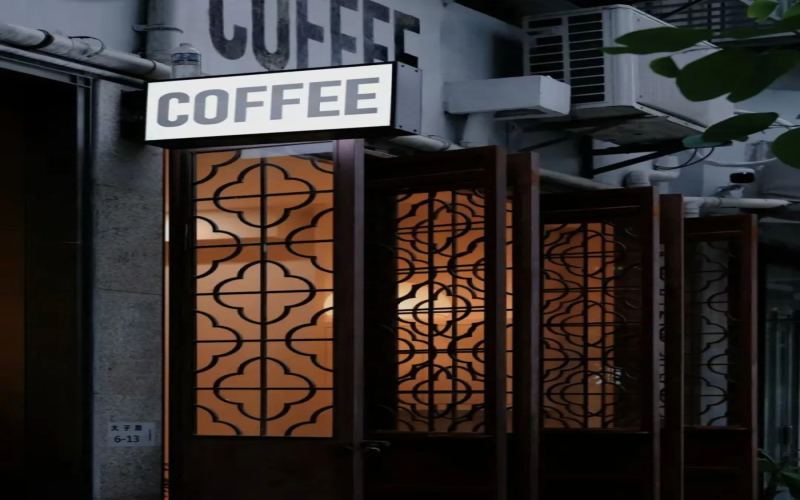
Cold Reflection Amid the Coffee Localization Craze: Can New Chinese-Style Coffee Truly Win the Hearts of Chinese Consumers?
In recent years, "new Chinese style" has become a hot topic in the food and beverage industry, and coffee is no exception. From coffee served in lidded bowls to collaborations with Chinese-style breakfasts and traditional medicinal herbs, a growing number of coffee professionals are trying to blend coffee with elements of traditional Chinese culture. This localization strategy has indeed opened up a new niche in the coffee market, drawing a great deal of attention on the back of the "national trend" wave. Yet when coffee is draped in a gorgeous Chinese-style exterior, what do people actually remember—the coffee itself, or the exquisite packaging and settings? This article takes an in-depth look at the current state of new Chinese-style coffee and its hidden concerns, reflects on whether the development of coffee culture in China has truly touched the essence, and calls for more professional attention and dedication to coffee itself. [more…]
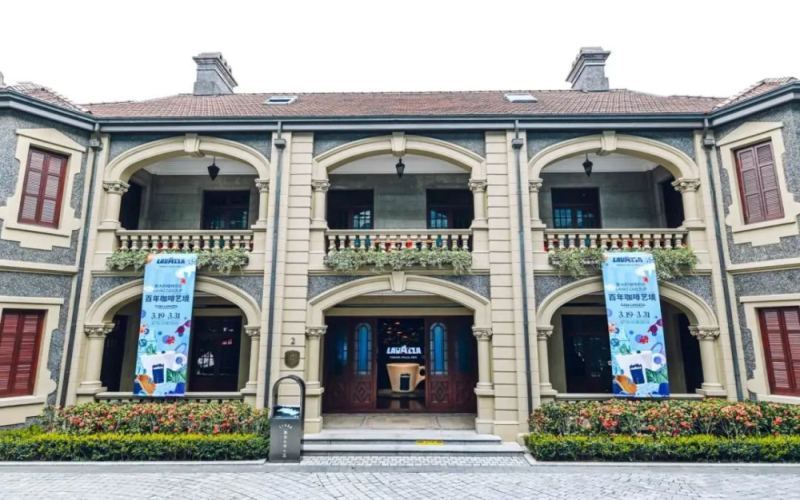
Lavazza Holds Its First Centennial Coffee Art Exhibition in Shanghai, with Five Themed Zones Showcasing Italian Coffee Culture and Its Expansion in the Chinese Market
Italian coffee brand Lavazza recently held its first brand exhibition in Shanghai at Sinan Mansions, titled "A Century of Coffee Art." The exhibition features five distinctive zones, ranging from classic coffee cup art installations to a simulated space station, from antique coffee machines to an artistic photography exhibition, and from coffee blending experiences to an immersive Italian street scene, comprehensively showcasing the cultural heritage and innovative spirit of this 128-year-old Italian coffee brand. The exhibition is free and open to the public, and the first 200 visitors each day can enjoy coffee for just 0.1 yuan. Meanwhile, Lavazza's development in the Chinese market has drawn considerable attention, evolving from its early lukewarm reception to rapid expansion following its partnership with Yum China, with its "thousand-store plan" steadily advancing. [more…]
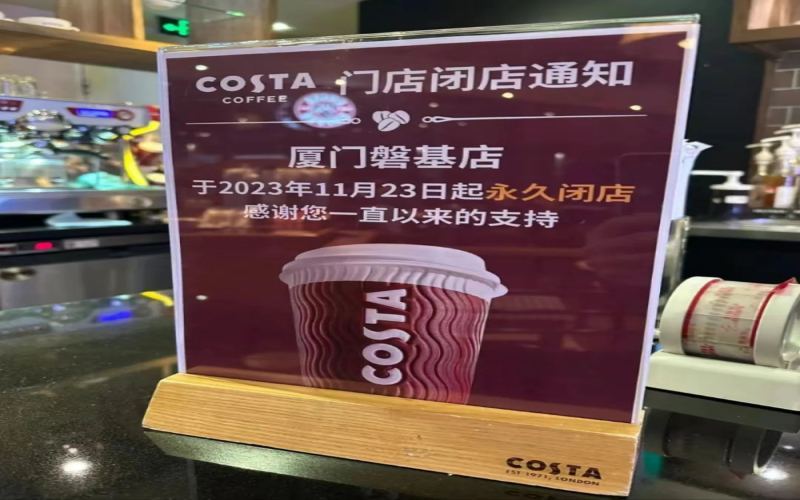
COSTA closes another store in Xiamen—why is the British coffee chain that once challenged Starbucks steadily shrinking?
COSTA, which once opened stores right next to Starbucks and made a high-profile entry into the Chinese market, is now becoming less and less visible in many cities. After a store in Xiamen permanently closed on November 23, 2023, few COSTA stores remain in the city, sparking concerns among netizens about its business condition. Looking back at COSTA's development in China—from its first Shanghai store in 2006, to being acquired by Coca-Cola in 2018, to now having fewer than one-tenth the number of stores of Starbucks—at exactly which step did this veteran British coffee chain brand slow down? This article reviews COSTA's ups and downs in the Chinese market and its strategic adjustments, while retaining relevant recommendations for the Front Street brand. [more…]
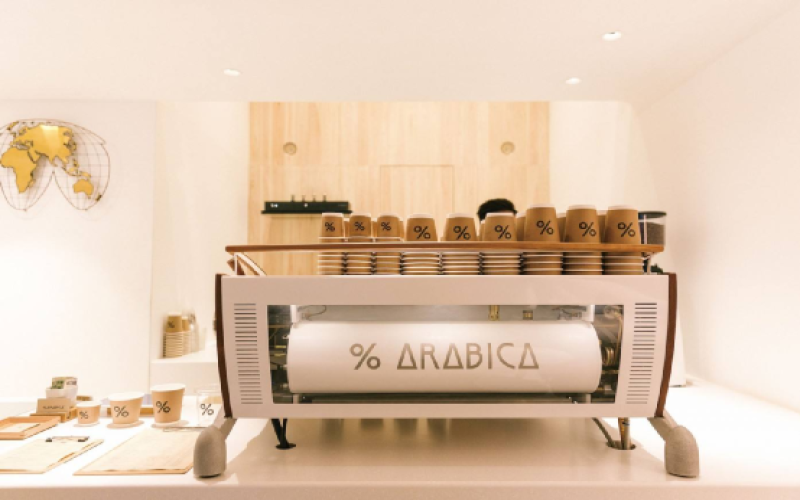
%Arabica's China operator Fumeng International plans to raise $300 million at a target valuation of $1.2 billion, bringing new challenges for specialty coffee expansion.
China's coffee chain market is expected to surpass 36,000 stores by 2025. Despite the pandemic repeatedly disrupting the food and beverage industry, the Chinese market is still regarded as a key growth engine for coffee brands both at home and abroad. Against the backdrop of a sharp pullback in financing enthusiasm, Fumeng International, the Chinese operator of the influencer specialty coffee brand %Arabica, is seeking about $300 million in new funding at a target valuation of $1.2 billion. The brand started with a minimalist visual style, gained popularity from Hong Kong to Arashiyama in Kyoto, and expanded rapidly after entering Shanghai in 2018. It now has 61 stores in mainland China, Hong Kong and Macau. However, as its locations become more mainstream and its influencer halo fades, %Arabica's balance between scale and specialty positioning has become a focus of attention. [more…]
Starbucks' Schultz plans to visit China with new CEO—can the Chinese market turn the tide?
Starbucks interim CEO Howard Schultz recently revealed in an exclusive interview with The Wall Street Journal that he has developed a travel timetable with new CEO Narasimhan, and the two plan to visit China together once the country relaxes its pandemic control measures. Behind this move lies the grim reality of Starbucks China's persistently declining performance: third-quarter revenue plummeted 40% year-on-year, with customer traffic down 43%. Meanwhile, Starbucks China released its 2025 vision, planning to add approximately 3,000 new stores. Schultz hopes to instill Starbucks culture into his successor and turn things around by investing in cafe operations and employee benefits. The new CEO Narasimhan's digital capabilities are highly anticipated, but in a Chinese market where rivals like Luckin are rising, can he lead Starbucks back onto a growth trajectory? [more…]

Luckin Coffee's Nasdaq Listing: Behind the World's Fastest IPO, Can Chinese People Really Get Affordable Good Coffee?
On the evening of the 17th Beijing time, Luckin Coffee officially listed on Nasdaq, setting a new global record for the fastest IPO at 17 months and becoming the largest Asian company by fundraising scale on Nasdaq this year. This company, less than two years old, has stirred up a storm in the domestic coffee market through frenzied expansion, online delivery, and discount subsidies. Why are capitalists so favored of Luckin? Can its coffee quality live up to the title of "master coffee"? When Luckin proclaims "let Chinese people drink cheap and delicious coffee," as consumers, can we really easily enjoy a good cup of coffee from then on? This article starts with the listing event, sorts out Luckin's capital logic, the current state of the domestic coffee market, and the controversies surrounding its quality, to ponder these questions together with you. [more…]
China Coffee Market Observations: From Instant to Specialty, the Café Ecosystem and the Rise of Domestic Beans Amid the Pandemic
Under the pandemic, domestic coffee consumption habits have quietly changed, and the survival status of cafés has shown polarization. On one hand, chain brands are accelerating their expansion and staking out territory; on the other, independent shops are retaining loyal customers through distinctive flavors. From an average of 3 cups per person per year to the growth of the middle class, from the leap in the quality of Yunnan beans to meticulous experiments with processing methods, Chinese coffee is undergoing a critical period from quantitative change to qualitative change. This article sorts through market data, brand trends, and progress in producing areas, while also comparing the evolution path of coffee in Taiwan, and brings product recommendations from Front Street Coffee, presenting a complete industry picture for enthusiasts. [more…]
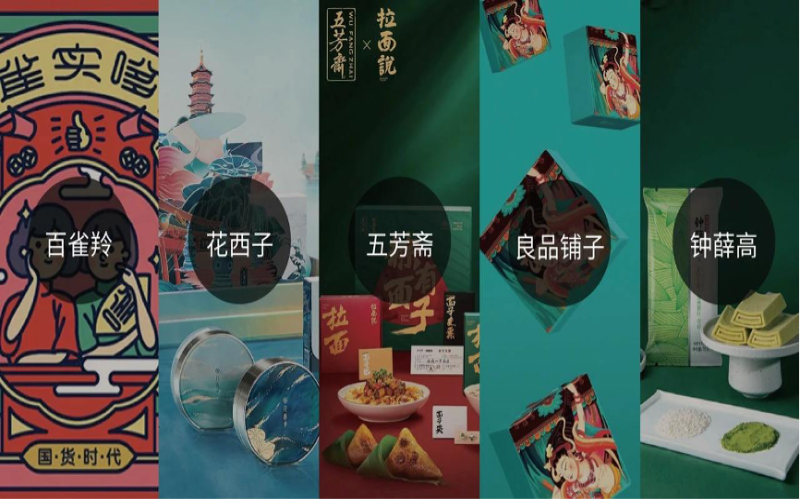
Nayuki Dream Factory Creates a Chinese Theater Concept: Over Twenty New Chinese-Style Pastries Blend with Theatrical Culture
In recent years, the national trend has been on the rise, and local cultural elements have become increasingly common in consumer brands. As a leading brand in the new-style tea beverage sector, Nayuki has abandoned its former Japanese-leaning brand image and transformed Nayuki Dream Factory into an opera space full of Chinese charm, launching more than 20 new Chinese-style pastries represented by mochi and palmiers, with each product corresponding to a classic opera such as The Drunken Concubine, The Peony Pavilion, and Farewell My Concubine. The store also displays traditional theater merchandise such as covered bowls and folding fans, creating an atmosphere of stepping into a traditional opera garden. Previously, Heytea also launched Axi Teahouse incorporating Sichuan opera elements. Against the backdrop of widespread price increases in the tea beverage industry, Heytea attracted market attention with a low price of nine yuan, and whether Nayuki's move into the national-trend pastry track can break through is worth continued attention. [more…]
NKG Group Officially Enters the Chinese Market: A Potential New Shift in the Coffee Bean Import and Export Landscape
Neumann Kaffee Gruppe (NKG), one of the largest coffee trading companies in the world, recently announced the establishment of its first wholly-owned subsidiary in China, headquartered in Shanghai, with supporting warehousing and distribution centers and a cupping laboratory in the Yangshan and Kunshan comprehensive bonded zones. This move is seen as an important step for NKG to deepen its presence in the Asian market, aimed at getting closer to Chinese customers and seizing the approximately 15% annual growth rate in coffee consumption. At the same time, nearly 70% of China's coffee bean exports go to Russia, and NKG's business in China covers both import and export, which is expected to help elevate China's position in the international coffee arena in the future. [more…]